
Mid-Year Reset: 5 Business Systems to Review Before Q3

The halfway point of the year offers businesses something valuable that often gets overlooked during busy seasons: perspective.
By June, many teams have a clearer understanding of what’s working, what’s creating unnecessary friction, and where operations may be slowing momentum behind the scenes. Schedules become more demanding, communication becomes more reactive, and workflows that once felt manageable can quickly become inefficient as responsibilities grow.
That’s why mid-year is one of the best times to pause and evaluate the systems supporting your business.
Not because everything needs to change.
But because small improvements now can create a much stronger second half of the year.
Your Calendar & Scheduling Process
One of the first areas worth reviewing is how your calendar is functioning day to day.
A calendar should do more than simply organize meetings. It should support productivity, protect focus time, and create structure around priorities. When schedules become overloaded without intentional planning, even productive teams can begin operating reactively.
Frequent interruptions, delayed follow-ups, and constant schedule adjustments often create more stress than most business owners realize. Over time, those small inefficiencies begin affecting communication, client experience, and overall momentum.
This is a good time to evaluate whether your schedule is helping your business move forward strategically or simply keeping everyone busy.
Follow-Up & Communication Systems
Many businesses lose opportunities not because of poor service or lack of expertise, but because communication becomes inconsistent during busy periods.
As workloads increase, follow-ups become easier to delay, inboxes become harder to manage, and important conversations begin slipping through the cracks. Even strong teams can struggle with consistency when operational systems aren’t clearly defined.
Improving communication systems doesn’t always require dramatic changes. Often, creating more structure around follow-up timing, client communication, and workflow coordination can immediately improve responsiveness and reduce unnecessary stress.
Consistency builds trust, and trust plays a major role in long-term business growth.
Internal Workflow Organization
As businesses grow, operational complexity grows with them.
Processes that once worked smoothly for a smaller workload can quickly become inefficient when communication increases, priorities shift, and multiple moving pieces compete for attention at once.
This is where workflow organization becomes extremely important.
Clearer systems for project coordination, approvals, communication, and task management help teams operate more confidently and reduce confusion across day-to-day responsibilities. Organized workflows also help businesses adapt more effectively during busy seasons without constantly feeling overwhelmed.
The goal isn’t perfection.
The goal is creating smoother operations that support consistency and long-term momentum.
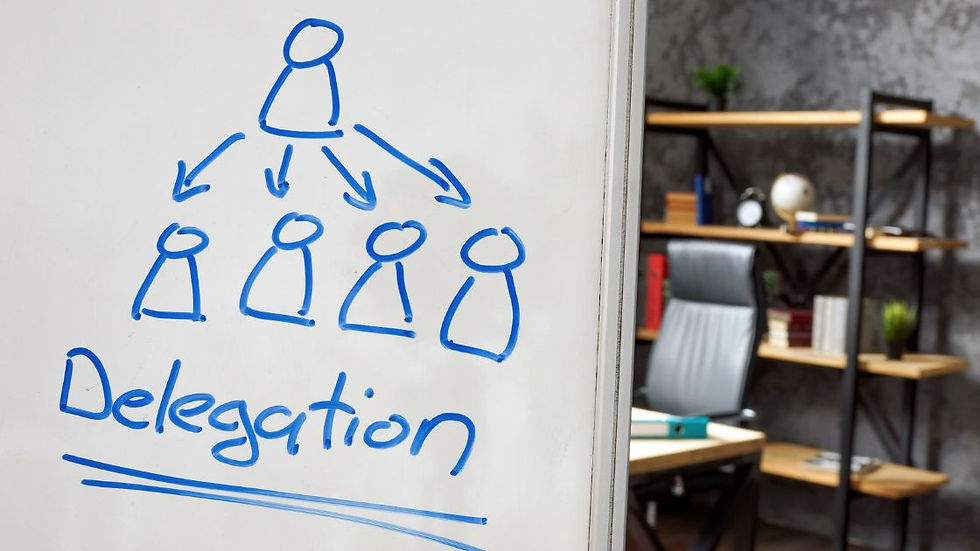
Delegation & Operational Support
One of the most common growth barriers for business owners is trying to manage too many operational responsibilities personally.
Over time, repetitive administrative tasks, scheduling coordination, inbox management, and workflow oversight begin taking valuable energy away from leadership, strategy, and business development.
Delegation is not about losing control. It’s about creating the capacity to focus on higher-value priorities while ensuring day-to-day operations continue running smoothly behind the scenes.
Businesses that grow sustainably often do so because they build strong support systems early instead of waiting until overwhelm becomes unavoidable.
Your Digital Presence & Marketing Consistency
Mid-year is also an ideal time to evaluate how consistently your business is showing up online.
Your website, social media presence, email communication, and marketing content all contribute to how clients and prospects experience your brand. When communication becomes inconsistent or outdated, it can create unnecessary disconnect between the quality of your services and the perception of your business.
Even small improvements to branding consistency, communication clarity, and content organization can strengthen credibility and improve audience engagement over time.
Small Improvements Create Stronger Momentum
Business growth rarely comes from one dramatic change.
More often, it comes from improving the systems that support daily operations little by little over time.
The businesses that finish the year strong are usually the ones willing to pause, evaluate, and make thoughtful adjustments before small inefficiencies become larger obstacles.
A mid-year reset is not about starting over.
It’s about creating stronger structure, better communication, and more intentional momentum heading into Q3.
Ready to Build Better Systems?
At Milrich Virtual Professionals, we help businesses improve organization, streamline workflows, and create stronger operational support systems that allow teams to focus on growth with greater clarity and confidence.
Whether it’s scheduling support, administrative assistance, workflow organization, or marketing coordination, our team is here to help businesses create smoother momentum for the second half of the year.
Because sustainable growth starts with stronger systems.


Comments