
Why Being Busy Is Costing You Business (And What to Do Instead)

If you feel busy all day but still behind, you’re not alone.
For many business owners and professionals, “busy” has become the default. Calendars are full, inboxes are constant, and the to-do list never seems to end.
But here’s the reality:
Being busy isn’t the same as being productive, and it may actually be costing you business.
The Problem with Being Busy in Business
On the surface, being busy feels like progress. You’re responding to emails, jumping on calls, and keeping things moving.
But underneath, something else is happening:
Follow-ups get delayed
Opportunities slip through the cracks
Scheduling becomes reactive instead of strategic
High-value work gets pushed aside
Over time, this creates a cycle where you’re constantly working, but not necessarily growing.
Where Opportunities Start to Slip
Most lost opportunities don’t come from a lack of effort. They come from a lack of structure.
Think about how often this happens:
A lead reaches out, but scheduling takes too long
A prospect says “circle back,” but there’s no system to ensure it happens
A client needs attention, but your day is already overloaded
These aren’t major failures, they’re small gaps.
But over time, those small gaps add up to missed opportunities, lost revenue, and stalled growth.
It’s Not a Time Problem, It’s a Systems Problem
Most professionals assume they need more time.
In reality, they need better systems.
When your calendar, follow-ups, and workflows are structured and supported, everything changes:
Meetings get scheduled faster
Communication becomes consistent
Opportunities are tracked instead of forgotten
You can focus on high-impact work
The goal isn’t to do more, it’s to do the right things consistently.
What Productivity Actually Looks Like in a Scalable Business
Productivity isn’t about being constantly active. It’s about being intentional.
A productive system includes:
Clear scheduling processes
Defined follow-up workflows
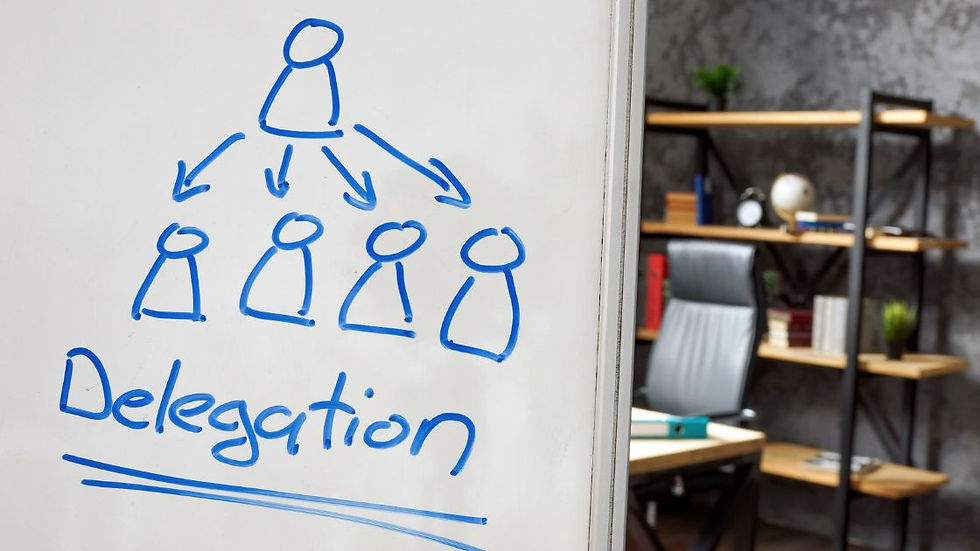
Delegation of repetitive tasks
Protected time for strategic work
Instead of reacting to everything, you operate with structure, and that structure creates momentum.
From Busy to Scalable
The businesses that grow aren’t the busiest ones. They’re the ones that are organized, supported, and consistent.
When you remove the friction from scheduling, follow-up, and daily operations, you create space to:
Build stronger relationships
Close more opportunities
Focus on long-term growth
Final Thought
If your calendar feels like it’s running you instead of supporting you, it may be time to rethink your approach.
Because if your time isn’t structured, your growth won’t be either.
If your scheduling, follow-up, or daily operations feel harder than they should be, putting the right structure in place can make a measurable difference. Small shifts in how your time is managed often lead to meaningful growth.


Comments